

Across the NHS estate, estates teams are being asked to do more with less: extend the life of ageing buildings, improve patient experience and support net zero targets, all while keeping wards open and disruption to an absolute minimum. Secondary glazing is one of the few interventions that can meaningfully move the dial on comfort, performance and compliance without touching the external façade or replacing existing windows.
At Granada Secondary Glazing, we work with NHS Trusts, framework partners, architects and main contractors to design and deliver secondary glazing solutions that are clinically appropriate, robust and straightforward to install within live hospital environments.
Why secondary glazing suits healthcare locations
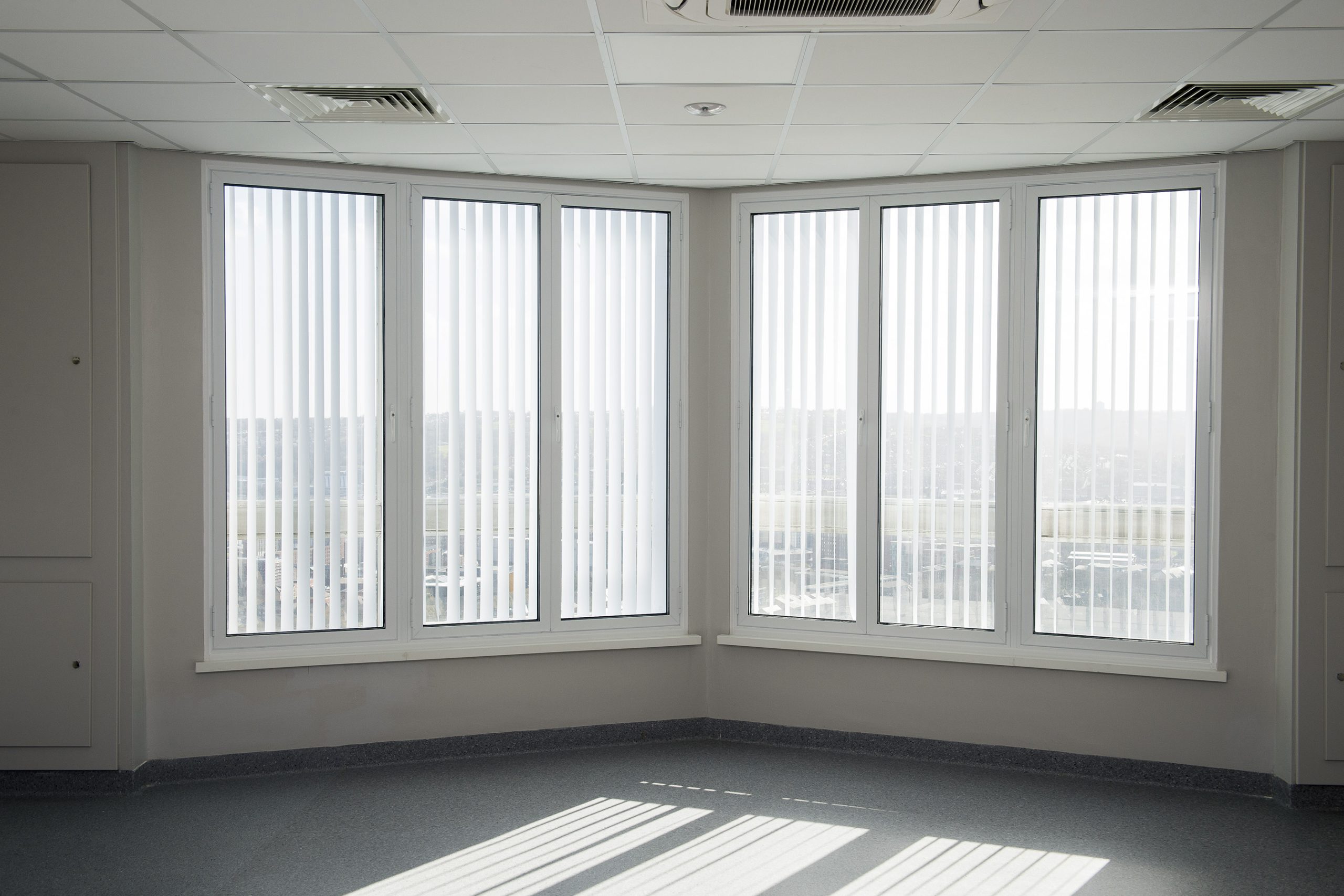
Secondary glazing is an internal glazing system fitted to the room side of the existing window, creating a sealed air gap that improves both acoustic and thermal performance. Because it is installed from inside the building and preserves the original window, it is particularly well suited to refurbishing complex acute sites, listed hospital buildings and constrained city centre estates.
That additional layer of glass and air helps to combat draughts, cold spots and external noise, turning hard‑worked wards, clinics and offices into spaces that feel calmer, warmer and easier to manage day to day. For an overview of how the system works, many estates teams start with our guide, What is secondary glazing?
Acoustic comfort in wards and departments
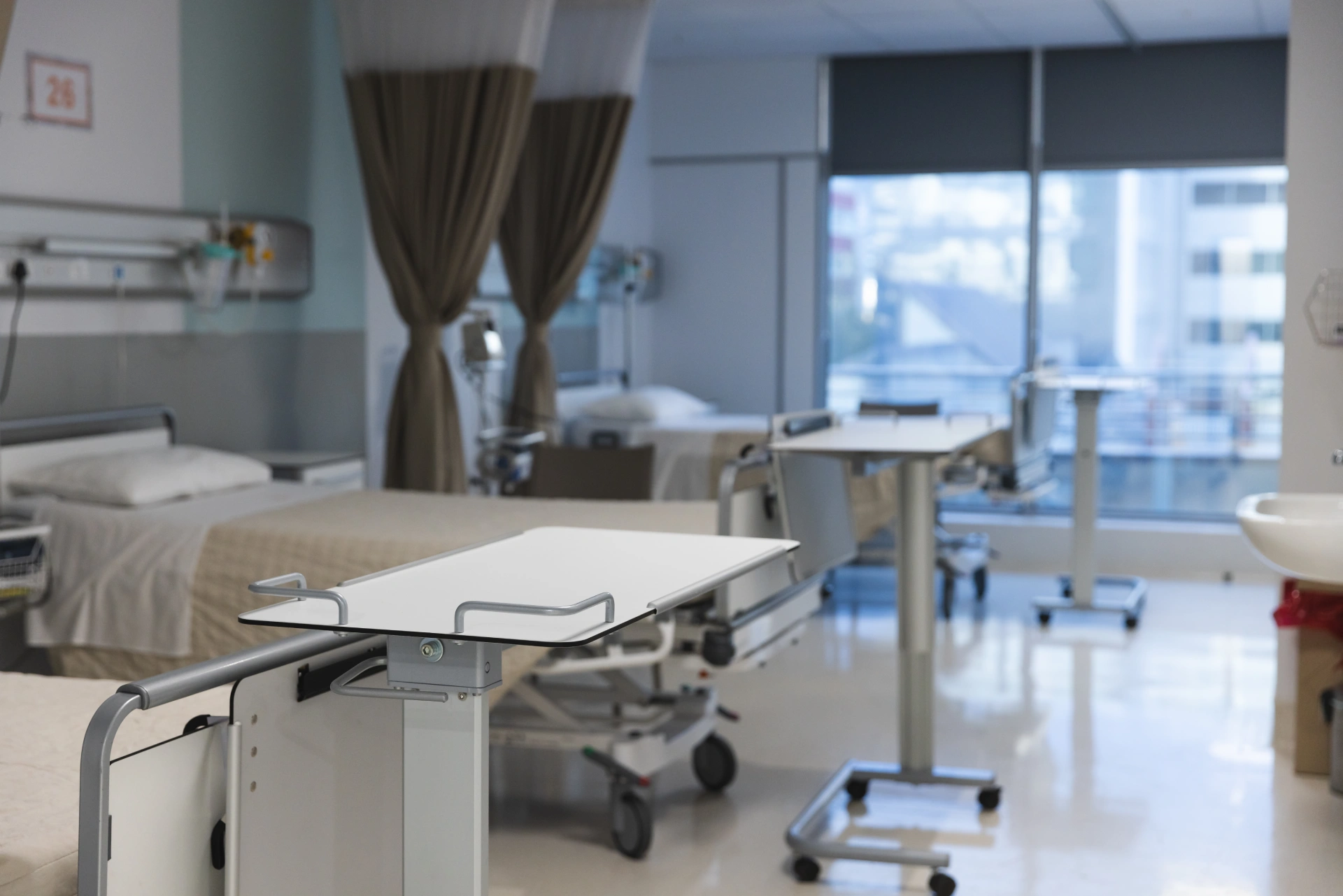
Noise is a constant backdrop in most hospitals, from ambulance bays and plant rooms to busy city streets and car parks. Yet we know that good quality sleep and low noise levels are critical for patient recovery, especially in critical care, stroke and high‑dependency units.
Granada’s secondary glazing systems can reduce external noise levels by up to 80 percent when paired with appropriate acoustic glass, which can equate to reductions of around 54 dB in the right configuration. In practice, that means significantly quieter wards and treatment rooms, particularly when dealing with low‑frequency traffic noise and weather‑related sound on exposed upper floors.
At Northern General Hospital in Sheffield, Granada installed stacked heritage hinged units with 8.8 mm acoustic laminated glass to treat bays facing a busy car park. The bespoke design gives the department up to 80 percent noise reduction while maintaining easy access for cleaning and maintenance.
Thermal comfort, energy use and decarbonisation
Thermal comfort is just as important as acoustics. Many NHS buildings still rely on single‑glazed or early double‑glazed units that perform poorly against modern expectations, leading to cold spots in winter, overheating in summer and constantly running heating systems.
Well‑designed secondary glazing can reduce heat loss through existing windows by up to 65 percent by creating an effective insulating air gap and sealing off draughts. For estates teams planning deep refurbishments or energy‑saving programmes, that improvement helps to support net zero plans while improving patient and staff comfort on wards, in offices and across clinical areas.
On the Royal Hallamshire Hospital project in Sheffield, hinged secondary glazing was selected specifically to trap heat within the space and add around 70 percent additional thermal insulation, while also delivering up to 80 percent noise reduction. Staff reported that refurbished wards felt noticeably warmer and more comfortable, particularly during bad weather on the upper floors.
For estates and capital teams comparing specification options, our Secondary glazing products for professionals gives a technical overview of horizontal sliders, hinged units and bespoke systems.
Infection control and cleanability
Any hospital refurbishment must stand up to infection‑control scrutiny. Traditional curtains and external blinds can harbour dust and microbes, and some older window ironmongery is difficult to clean thoroughly. Secondary glazing, when detailed correctly, can help estates and IPC teams reduce these risks.
Granada’s systems are designed with smooth, clinically cleanable internal faces, minimising dust traps and making it easier for housekeeping teams to wipe down surfaces as part of regular cleaning protocols. In healthcare settings, anti‑ligature details and removable handles can also be specified to reduce opportunities for self‑harm or unauthorised access to the primary window, which is particularly important in mental health and high‑risk clinical environments.
In published healthcare case studies, Granada highlights that secondary glazing can play a pivotal role in reducing the spread of bacteria through its cleanable surfaces and controlled, sealed air gaps. This combination of robust detailing and simple maintenance is a key reason why secondary glazing is frequently accepted within infection‑controlled refurbishments and frameworks.
Privacy, dignity and sensitive healthcare spaces
Modern clinical design rightly places patient dignity and privacy at its core. In open wards, observation rooms and sensitive areas, glazing must balance clear clinical sight lines with the ability to protect patients during treatment or personal care.
On the Northern General Hospital critical care project, Granada integrated smart privacy glass within the secondary glazing between bays. With the touch of a switch, the glass changes from transparent to opaque in less than a hundredth of a second, providing an encapsulated, hygienic blind that patients and staff can control without introducing fabric blinds or extra surfaces that are harder to clean.
At Queen’s Medical Centre in Nottingham, Granada again used “blink glass” to deliver hygienic noise insulation and instant privacy in one integrated solution, supporting one of Europe’s largest critical care departments. In Sheffield’s Hallamshire Hospital stroke unit, integral venetian blinds were installed within the cavity between the primary and secondary glazing, giving staff full control over light and privacy without exposing the blind to the ward environment.
Partnering with frameworks and estates teams
Granada is the largest secondary glazing manufacturer in the UK, producing tens of thousands of made‑to‑measure aluminium frames each year for residential, commercial and public sector clients. For healthcare estates and framework partners, that scale is matched by an in‑house design, manufacture and installation capability that simplifies procurement and gives a single point of accountability from survey to handover.
We regularly collaborate with architects, consultants and contractors under healthcare frameworks, providing early technical input on acoustic build‑ups, U‑values, anti‑ligature requirements and installation sequencing so that secondary glazing can be coordinated with other work packages. Our products for professionals hub brings these strands together for specifiers who need clear technical information, precedents and sector‑specific case studies.
If you are planning a hospital refurbishment, exploring options for secondary glazing in healthcare or preparing a framework bid, our team can help you shape a solution around your estate rather than forcing your estate to fit a standard product. To discuss a live project, you can contact us directly using the details on any of our healthcare case study pages, or use the enquiry form to start the conversation around commercial secondary glazing.