

Horizontal Sliding
Engineered for flexibility across a wide range of commercial window configurations, delivering slim sightlines, smooth operation, and reliable long-term performance
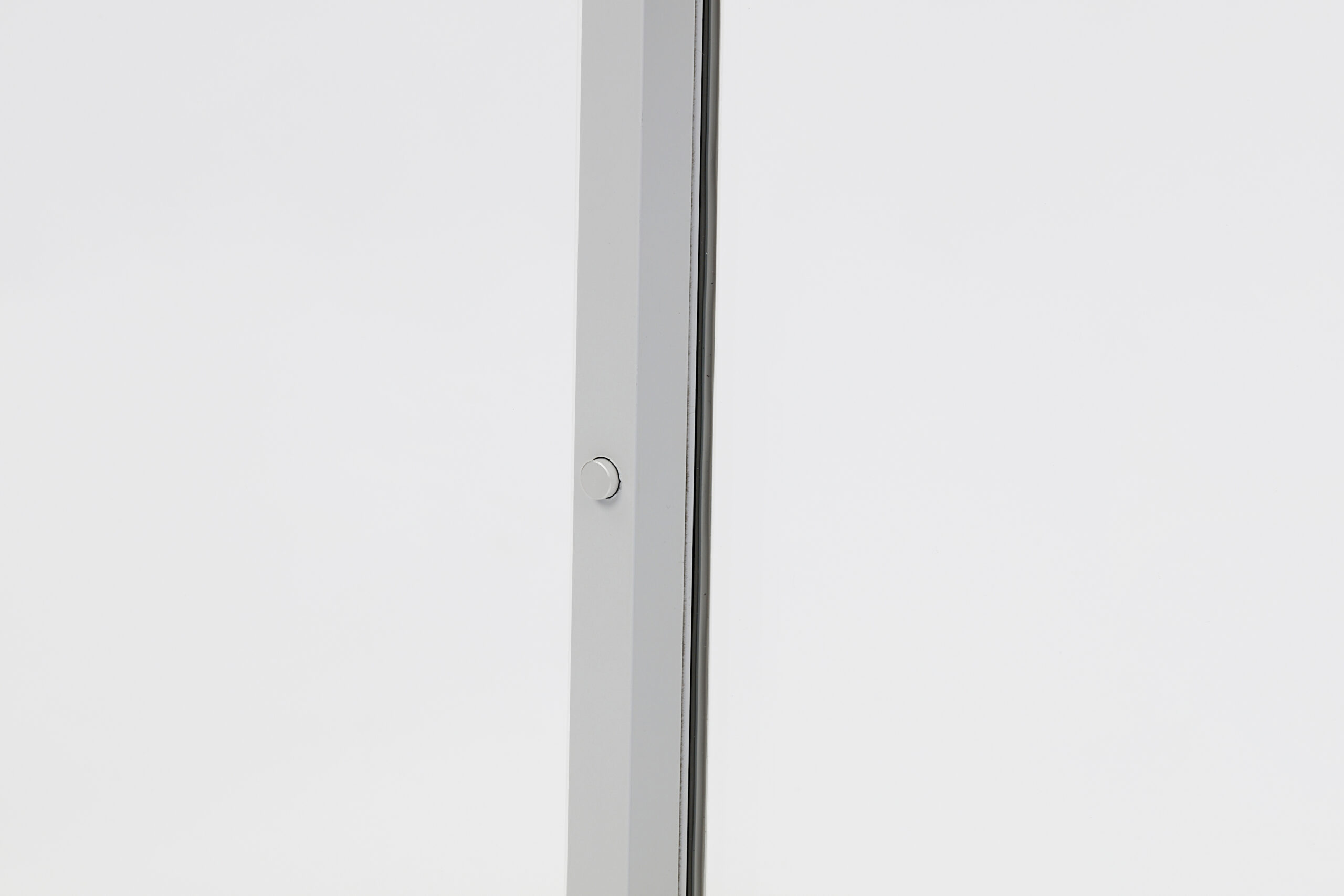
Horizontal Sliding
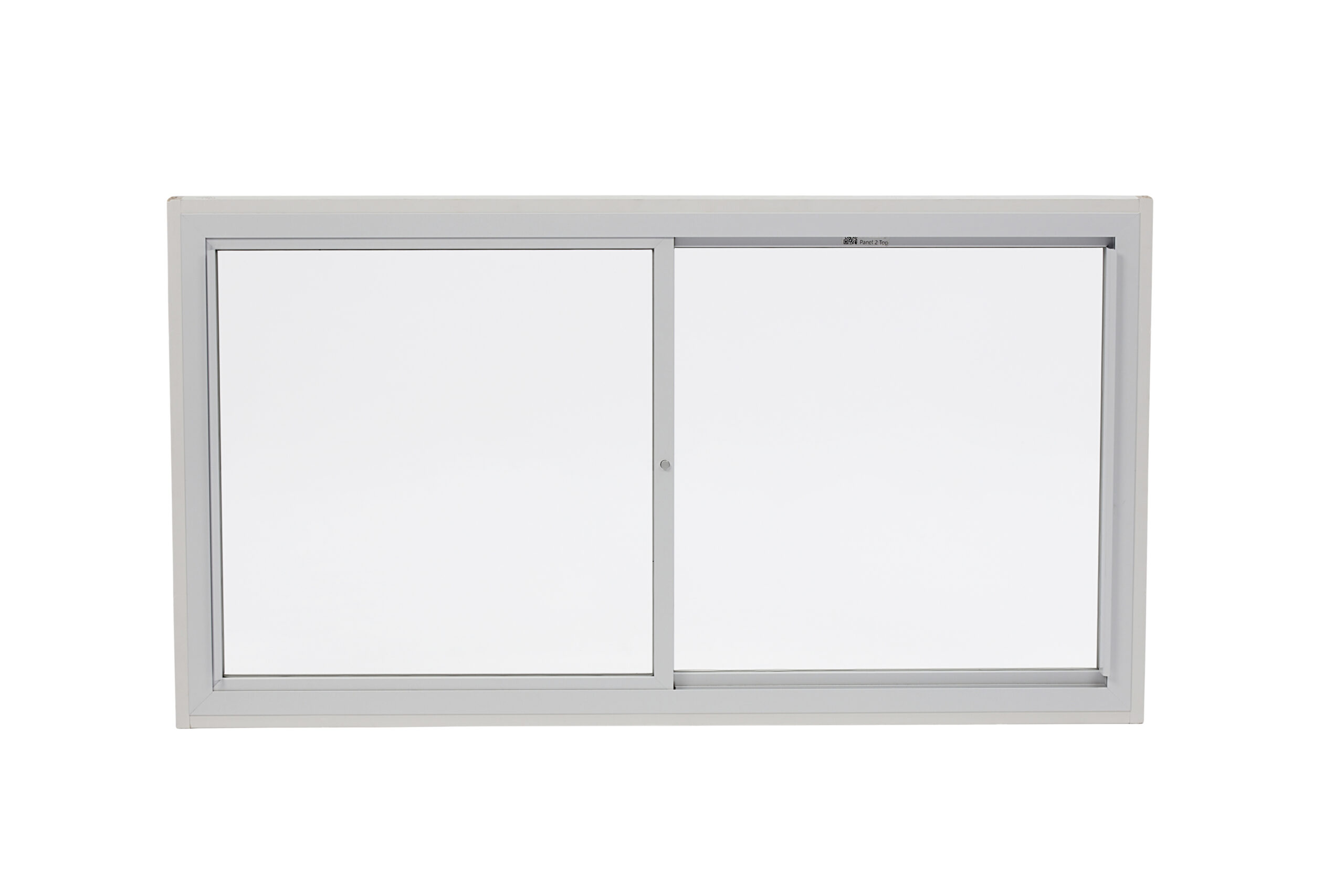
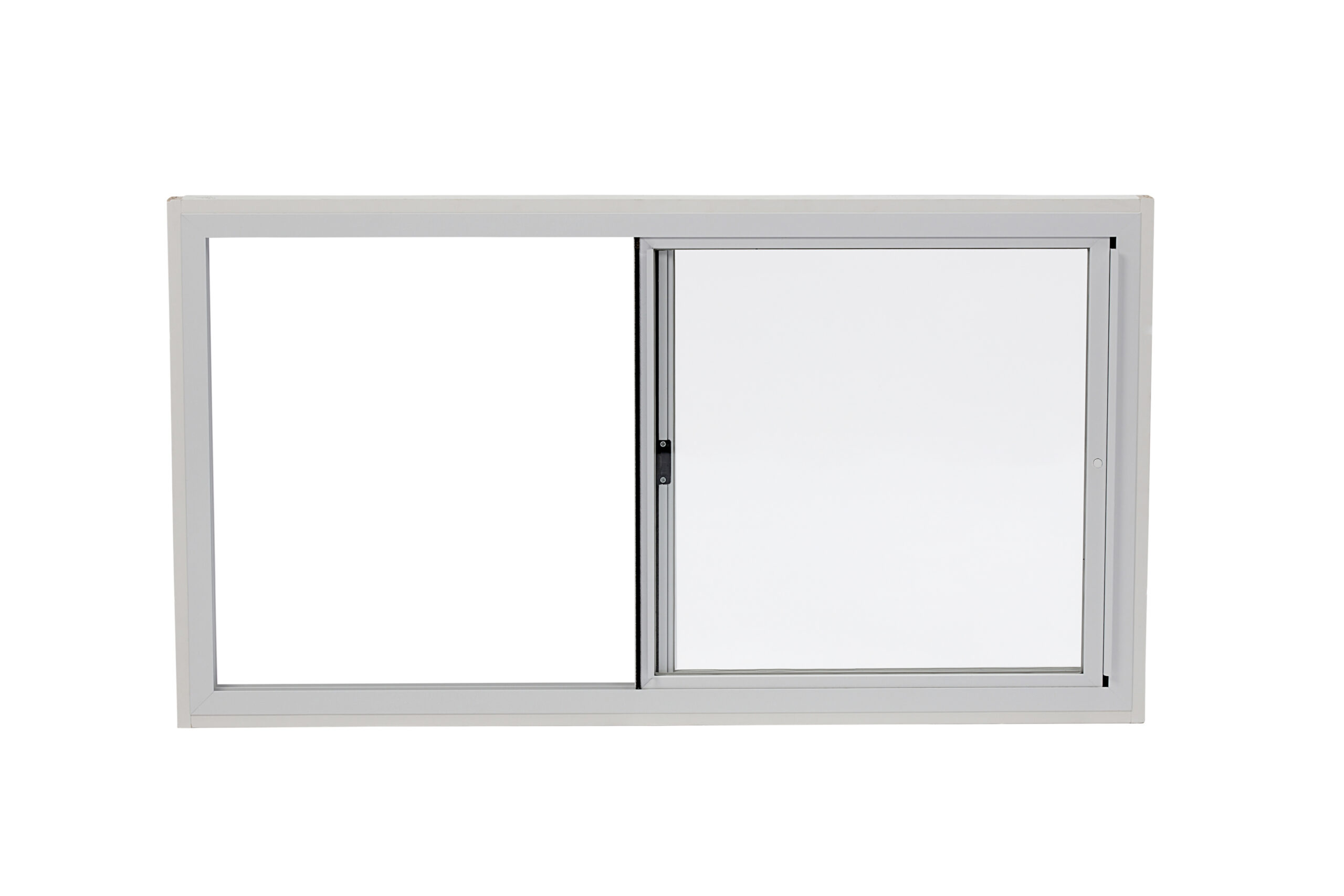
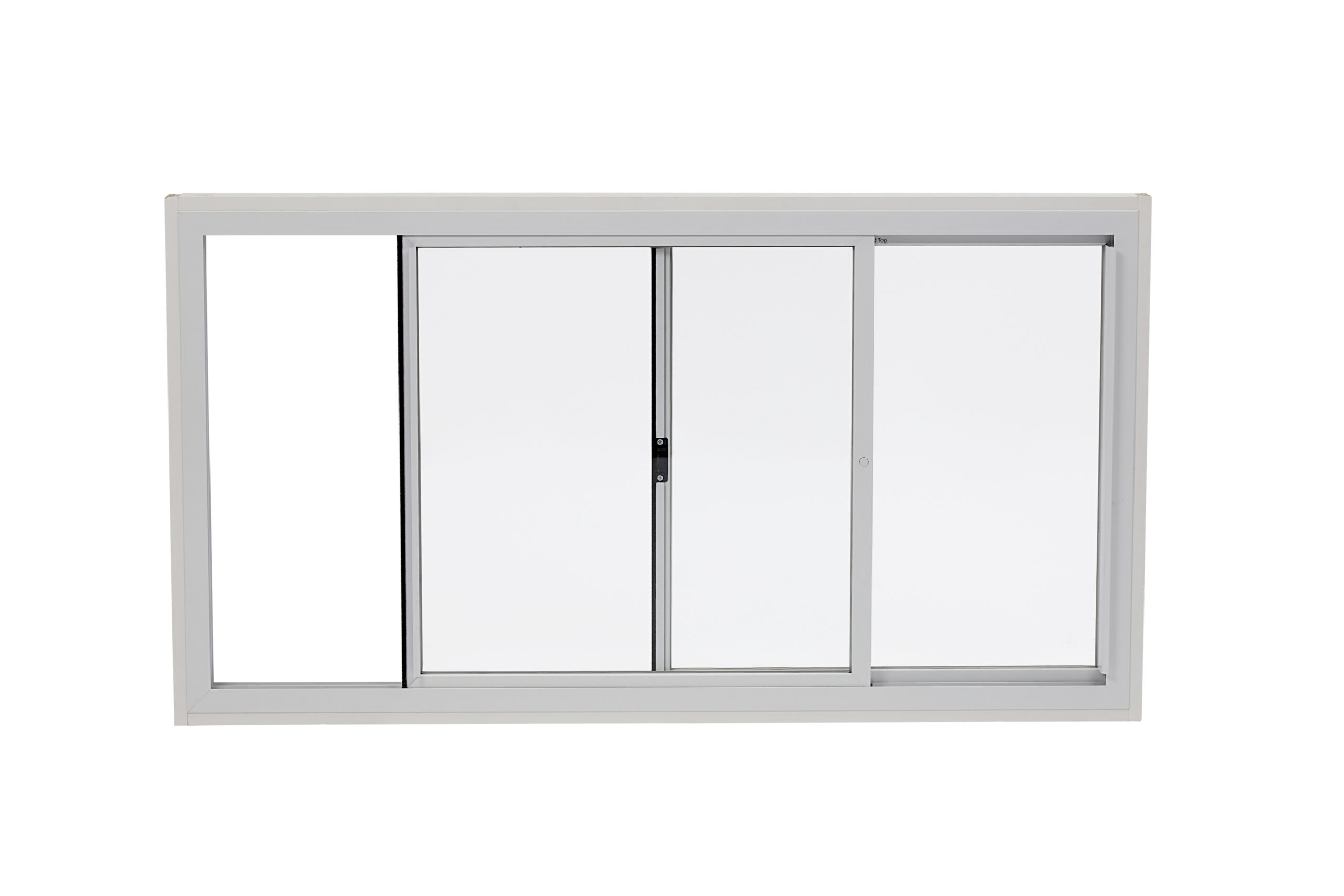
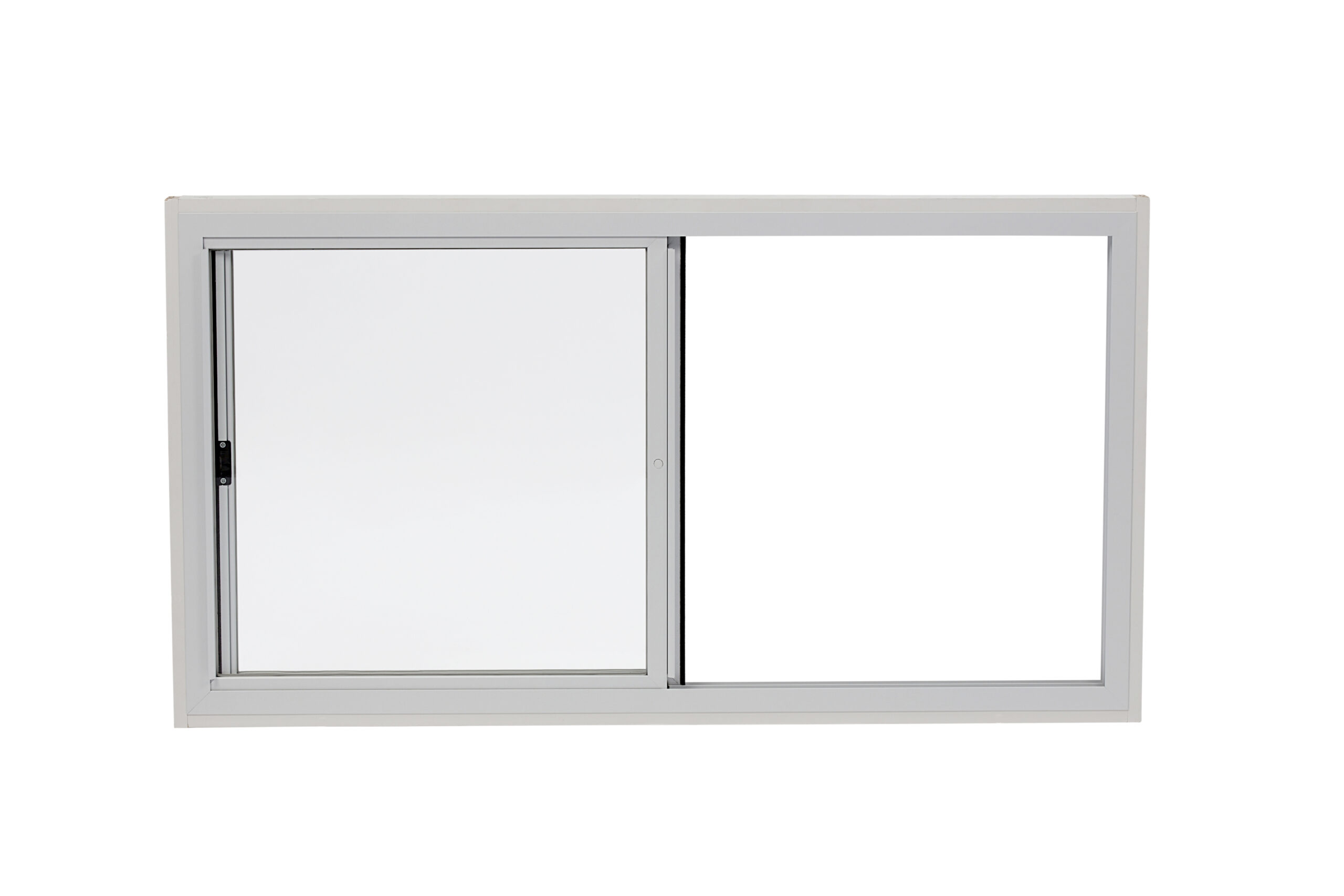
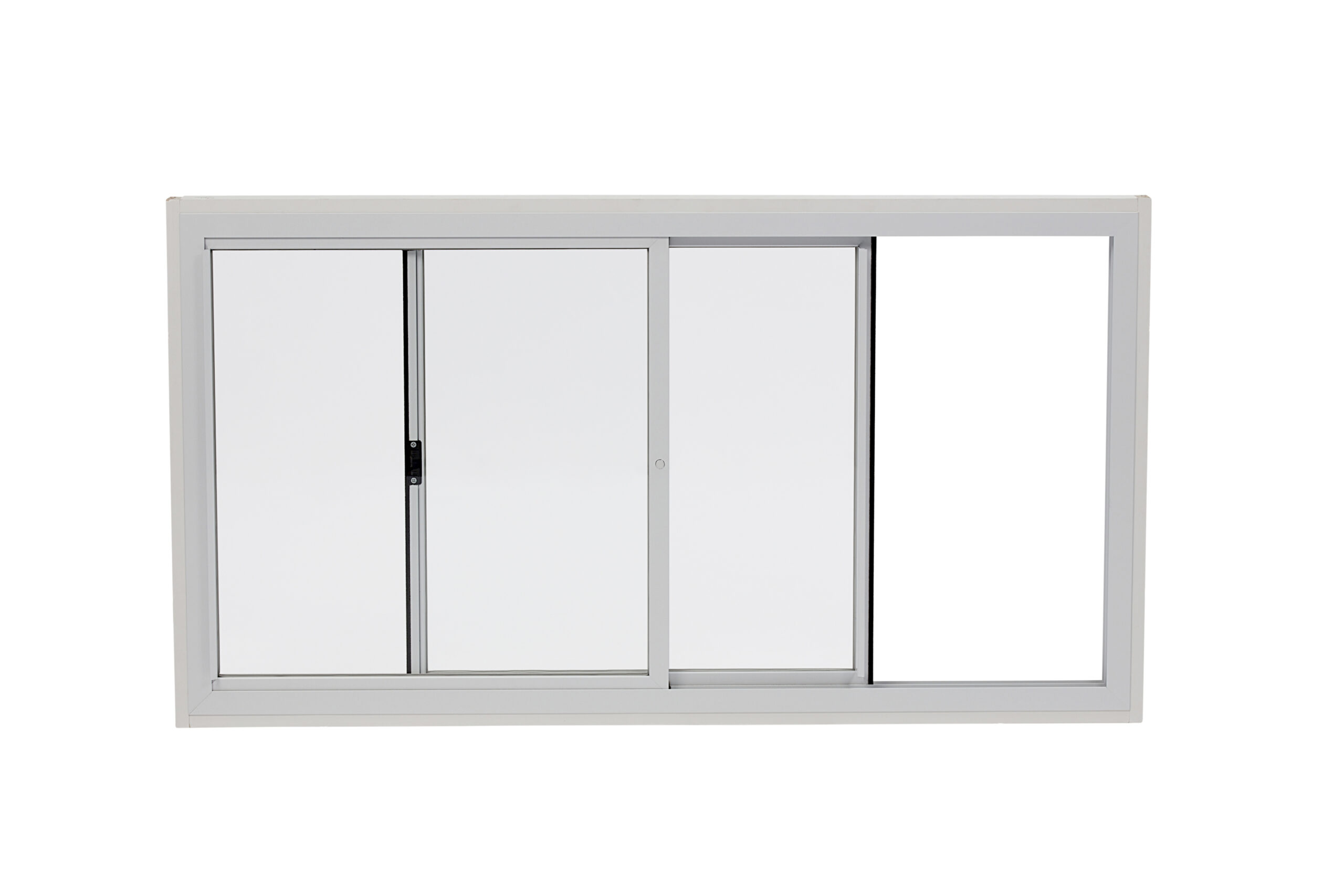
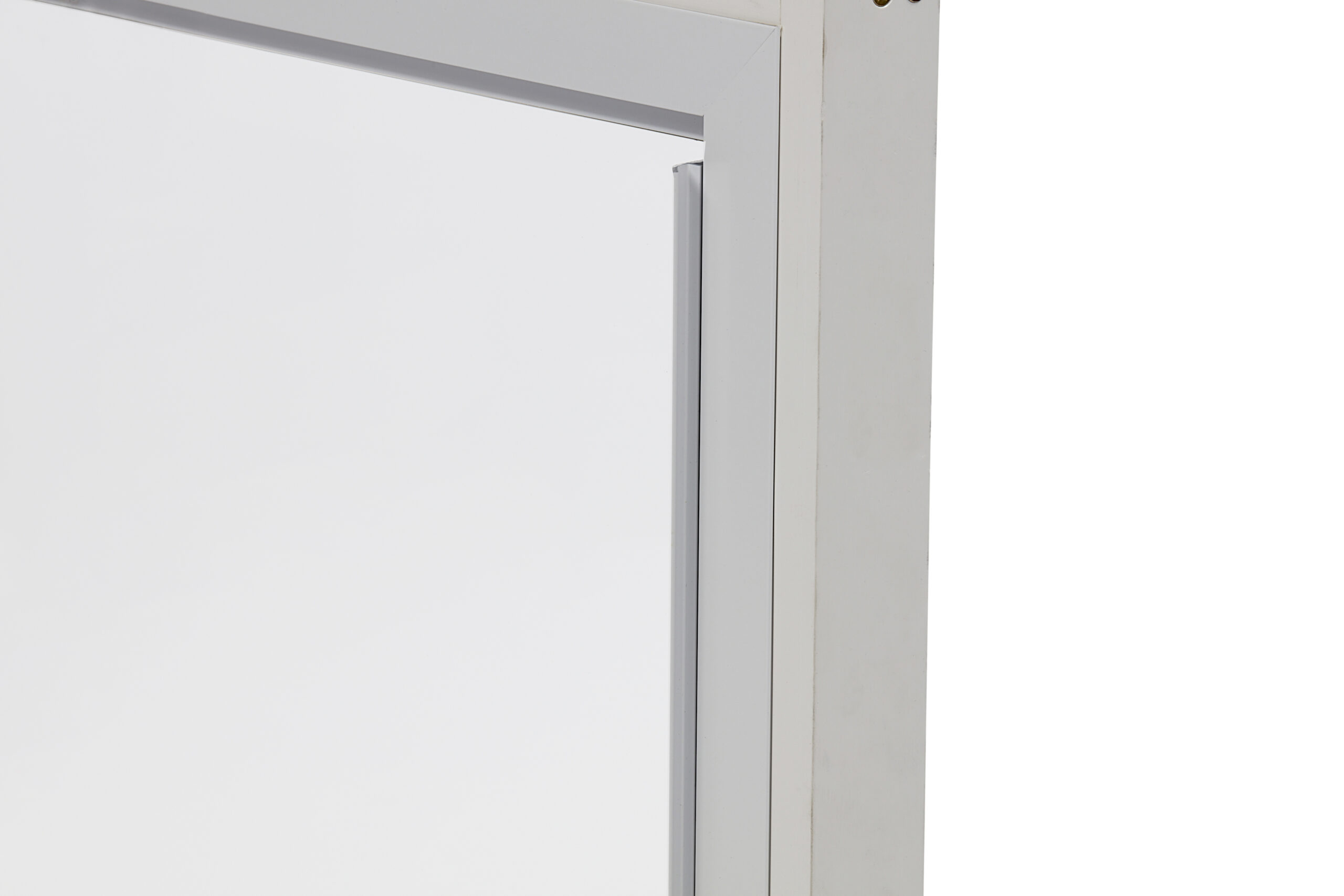
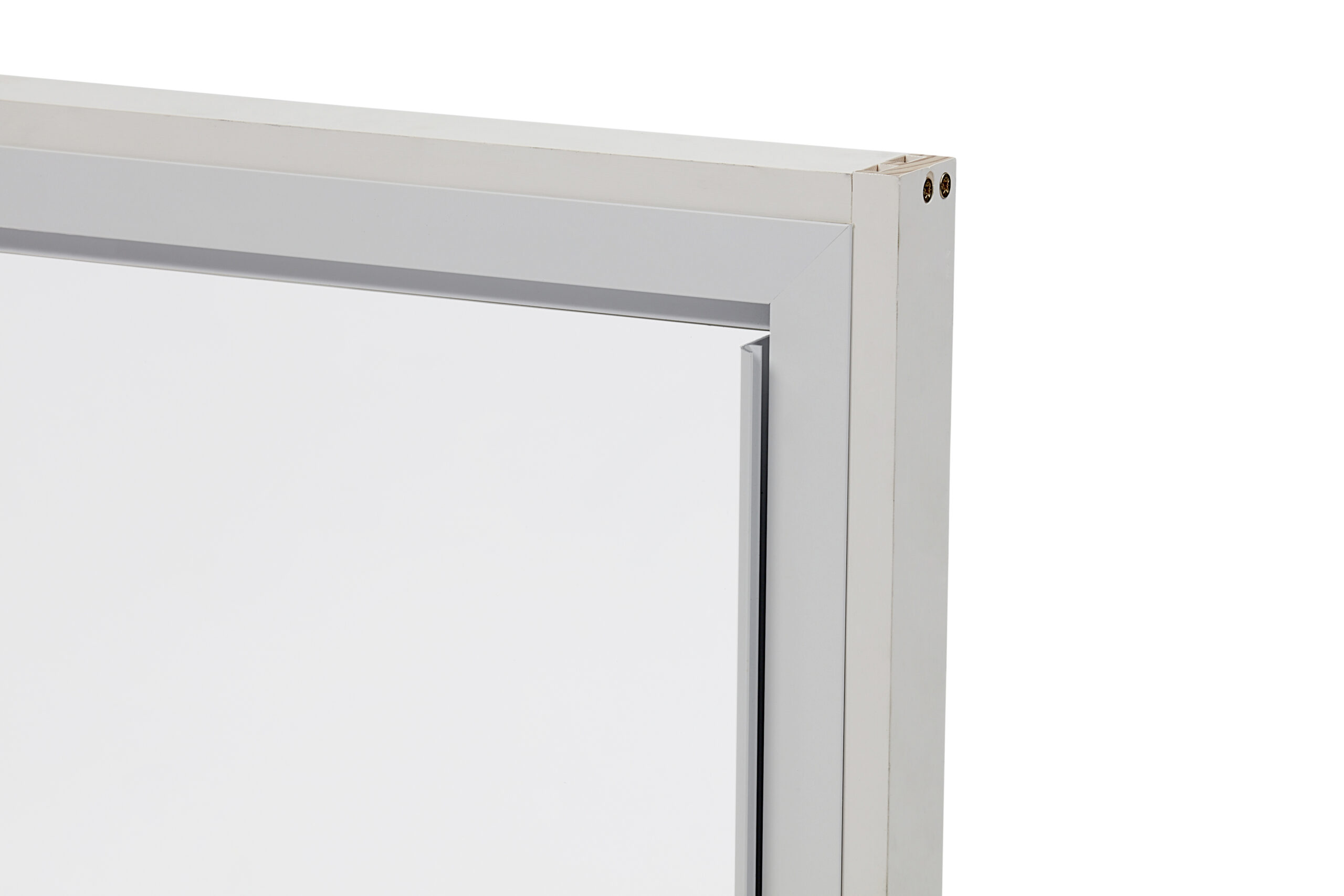
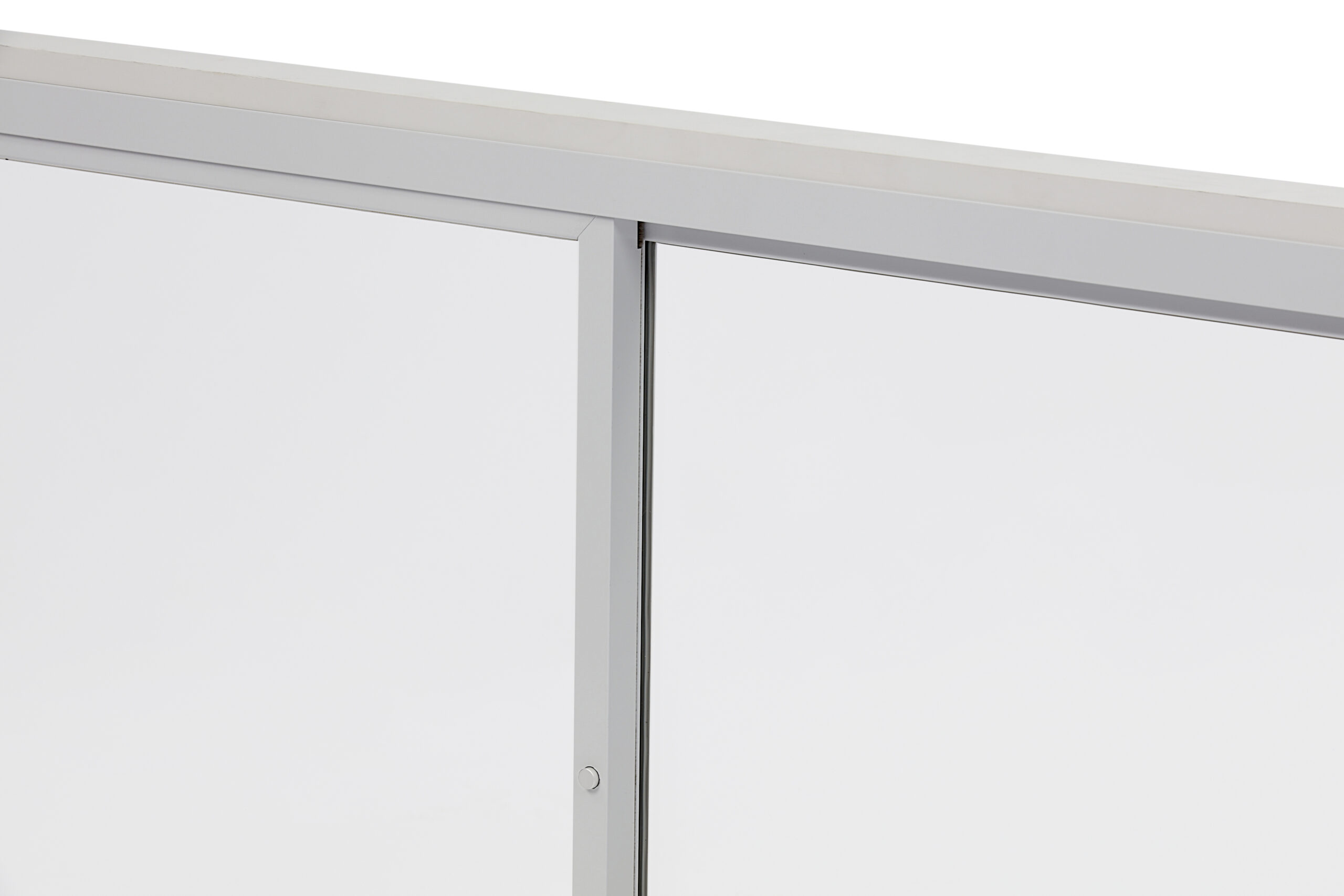
Our horizontal sliding system is engineered for flexibility across a wide range of commercial window configurations, delivering slim sightlines, smooth operation, and reliable long-term performance.
Configured with 2, 3, 4, or 5 independently sliding sashes, the system provides generous access for cleaning and maintenance, and controlled ventilation, while maintaining a discreet appearance.
For larger or more demanding openings, our Enhanced range offers the same core benefits, with heavy-duty framing and self-supporting panes that ensure stability and strength across larger glass units.
Flexible Coverage
Can be coupled or stacked with other units in the range to cover large glazing areas or long runs of windows.
Optimum Noise Reduction
49dB (Rw), when using 6mm toughened primary glazing and 6.8mm acoustic laminate secondary glazing.
Optimum U Value
1.5 W/m²K when using 4mm toughened Low E glazing and 80mm spacing between the primary and secondary window.
Sizes
Note: all sizes are for guidance only, and depend on several factors (including glass and subframe). Units and styles outside of those listed are sometimes possible – please contact us for advice.
Horizontal Sliding Range
| Style | Description | Max Width | Max Height | Max Weight |
|---|---|---|---|---|
| HS2 | 2 Panel Horizontal Slider | 4,934mm | 2,768mm | 80KG |
| HS3 | 3 Panel Horizontal Slider | 4,934mm | 2,768mm | 80KG |
| HS4 | 4 Panel Horizontal Slider | 4,934mm | 2,768mm | 80KG |
| HS5 | 5 Panel Horizontal Slider | 4,934mm | 2,768mm | 80KG |
| HS3 Centre Fixed | 3 Panel Centre Fixed | 4,934mm | 2,768mm | 80KG |
Installation Options
| Product Range | Glass Options | Maximum Window Dimensions by Window Type HS5 | Installation Options | |||||||
|---|---|---|---|---|---|---|---|---|---|---|
| Width (mm) | Height (mm) | Area (m²) | Face Fix Through Timber | Reveal Fix Through Frame | Reveal Fix Through Timber | Optional Deep Reveal Fix Through Timber | Bevels | Specials | ||
| Classic | 4.0mm tough | 4934 | 1968 | 7.5 | TIM-43×16 | TIM-43×16 | TIM-62×16 | TIM-70×16 | TIM-62×50 | TIM-90×90 |
| Enhanced | 6.0mm tough | 4934 | 2068 | 10.2 | TIM-43×16 | TIM-43×16 | TIM-62×16 | TIM-70×16 | TIM-62×50 | TIM-90×90 |
| Enhanced | 6.4mm Laminate | 4934 | 2068 | 10.2 | TIM-43×16 | TIM-43×16 | TIM-62×16 | TIM-70×16 | TIM-62×50 | TIM-90×90 |
| Enhanced | 6.8mm Laminate | 4934 | 2068 | 10.2 | TIM-43×16 | TIM-43×16 | TIM-62×16 | TIM-70×16 | TIM-62×50 | TIM-90×90 |
| Enhanced | 8.8mm Laminate | 4934 | 2768 | 13.7 | TIM-43×16 | TIM-43×16 | TIM-62×16 | TIM-70×16 | TIM-62×50 | TIM-90×90 |
| Enhanced | 10.8mm Laminate | 4934 | 2768 | 13.7 | TIM-43×16 | TIM-43×16 | TIM-62×16 | TIM-70×16 | TIM-62×50 | TIM-90×90 |
Colours
Our Sheffield-based manufacturing base is home to our very own painting plant, allowing you to choose from a comprehensive palette of more than 200 powder-coated RAL colours to achieve a precise match with your Granada secondary glazing system. Suitable for new developments, heritage buildings, and complex commercial environments, our finishes are specified to meet the requirements of each project.
Glass Options
| Product Range | Glass Options | Max. Window Size (Including 16mm Timber) HS2 | HS3 | HS4 | ||||||
|---|---|---|---|---|---|---|---|---|---|---|
| Width (mm) | Height (mm) | Area (m²) | Width (mm) | Height (mm) | Area (m²) | Width (mm) | Height (mm) | Area (m²) | ||
| Classic | 4.0mm tough | 2534 | 1968 | 3.0 | 3762 | 1968 | 4.5 | 4934 | 1968 | 6.0 |
| Enhanced | 6.0mm tough | 4934 | 2068 | 10.2 | 4934 | 2068 | 10.2 | 4934 | 2068 | 10.2 |
| Enhanced | 6.4mm Laminate | 4934 | 2068 | 10.0 | 4934 | 2068 | 10.2 | 4934 | 2068 | 10.2 |
| Enhanced | 6.8mm Laminate | 4934 | 2068 | 9.4 | 4934 | 2068 | 10.2 | 4934 | 2068 | 10.2 |
| Enhanced | 8.8mm Laminate | 4934 | 2768 | 7.3 | 4934 | 2768 | 10.9 | 4934 | 2768 | 13.7 |
| Enhanced | 10.8mm Laminate | 4934 | 2768 | 5.9 | 4934 | 2768 | 8.9 | 4934 | 2768 | 11.9 |
Product Case Studies
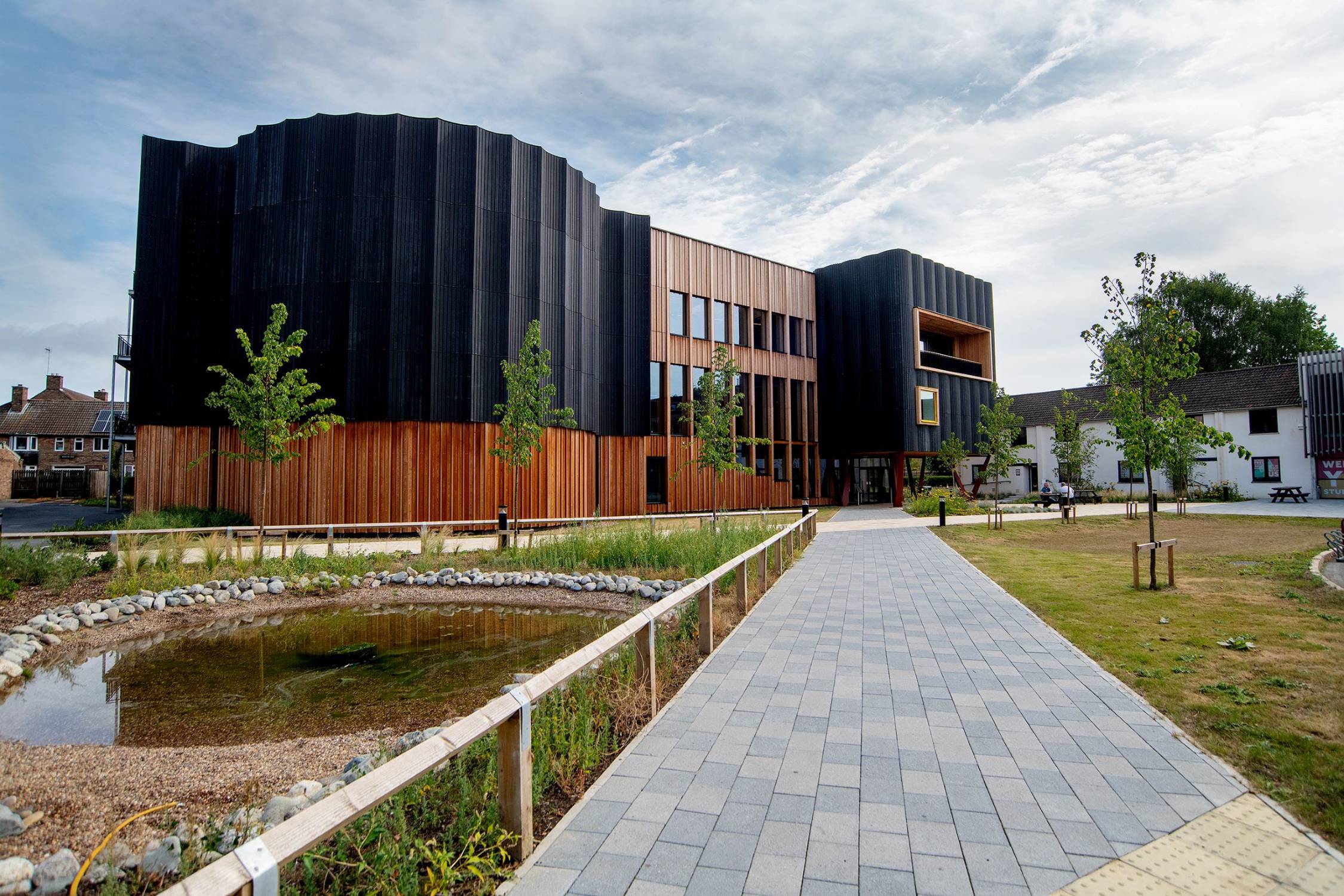
St John's University, York
St John University's Creative Centre required a discreet, high-performance acoustic solution to contain internal noise and prevent disturbance to nearby residents. Our white satin powder-coated horizontal sliding units with 6.4mm acoustic laminated glass provide the modern aesthetic needed while delivering exceptional noise reduction and offering an ideal solution to reduce heat loss.
Read full case study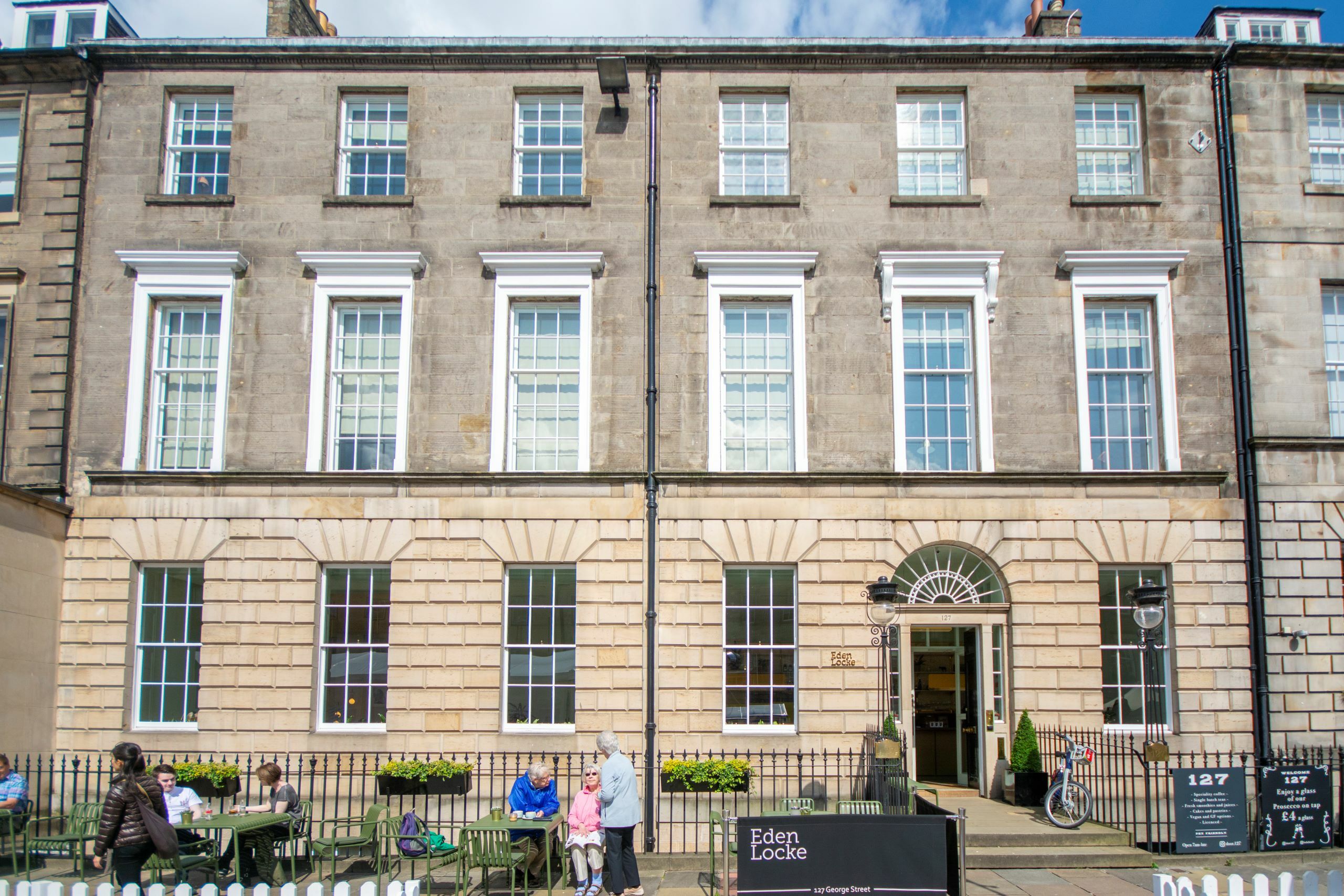
Eden Locke Hotel, Edinburgh
Situated on George Street, one of Edinburgh's busiest roads, Eden Locke needed a solid solution to reduce noise intrusion. Granada specified horizontal sliding units with 10.8mm high-performance acoustic panes of glass to effectively minimise external noise, while remaining sympathetic to the building's heritage and complying with listed building regulations for windows.
Read full case study
Fixed
Non-opening solution for permanent installations with maximum acoustic and thermal performance.
Best For: Windows that don't require regular access for cleaning or ventilation.
Learn More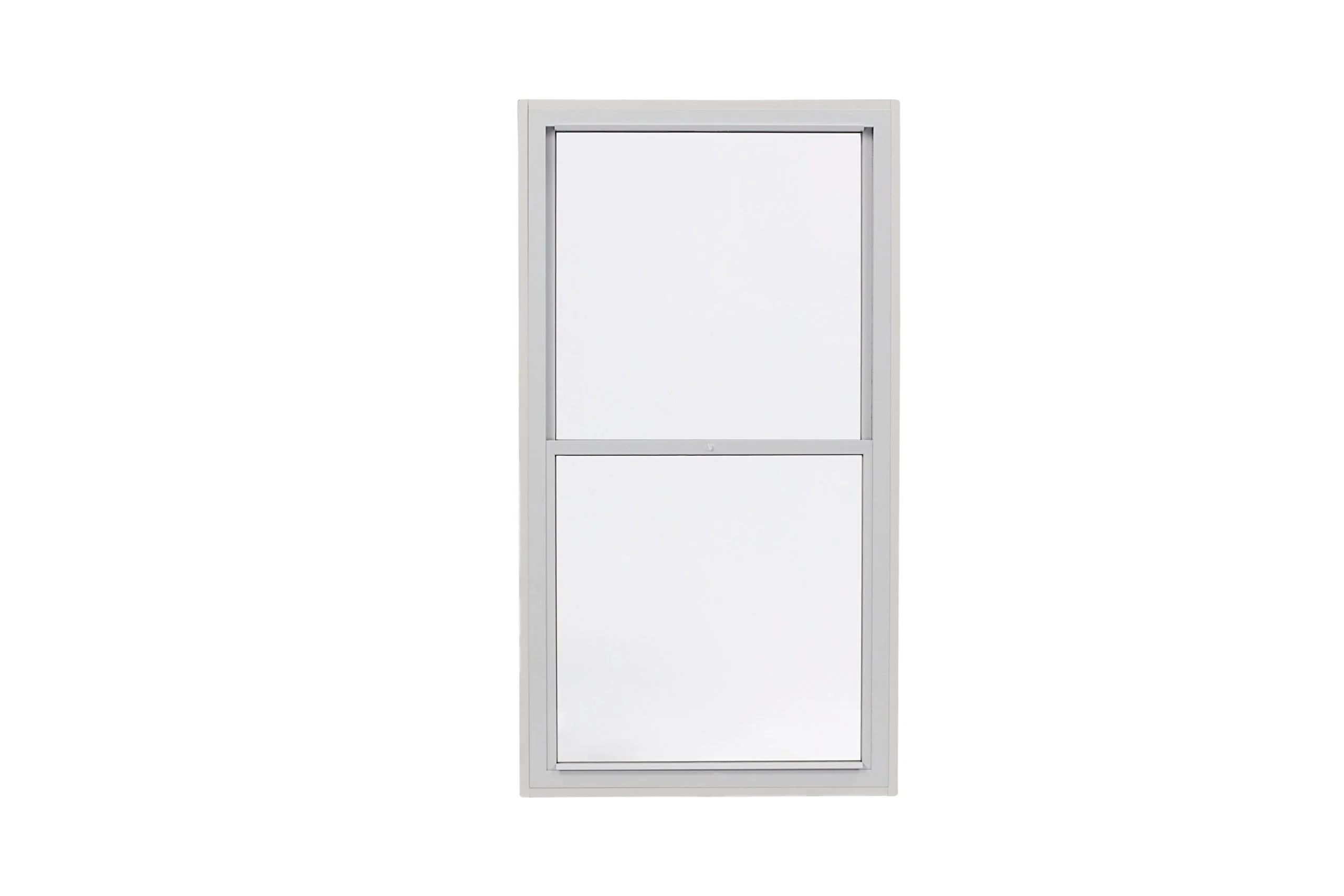
Balanced Vertical Sliding
Spring-balanced operation for traditional sash windows, self-supporting panes at any position.
Best For: Heritage properties with traditional sash windows requiring discreet solutions.
Learn More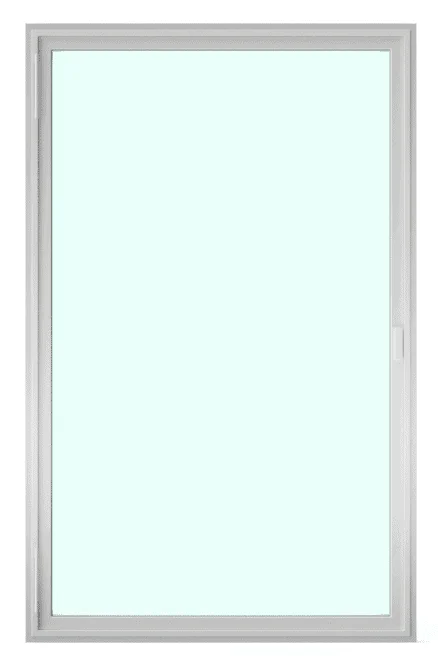
Hinged Unit
Side or base-opening configurations with multi-point locking for enhanced security.
Best For: Commercial and residential applications requiring door-like operation.
Learn More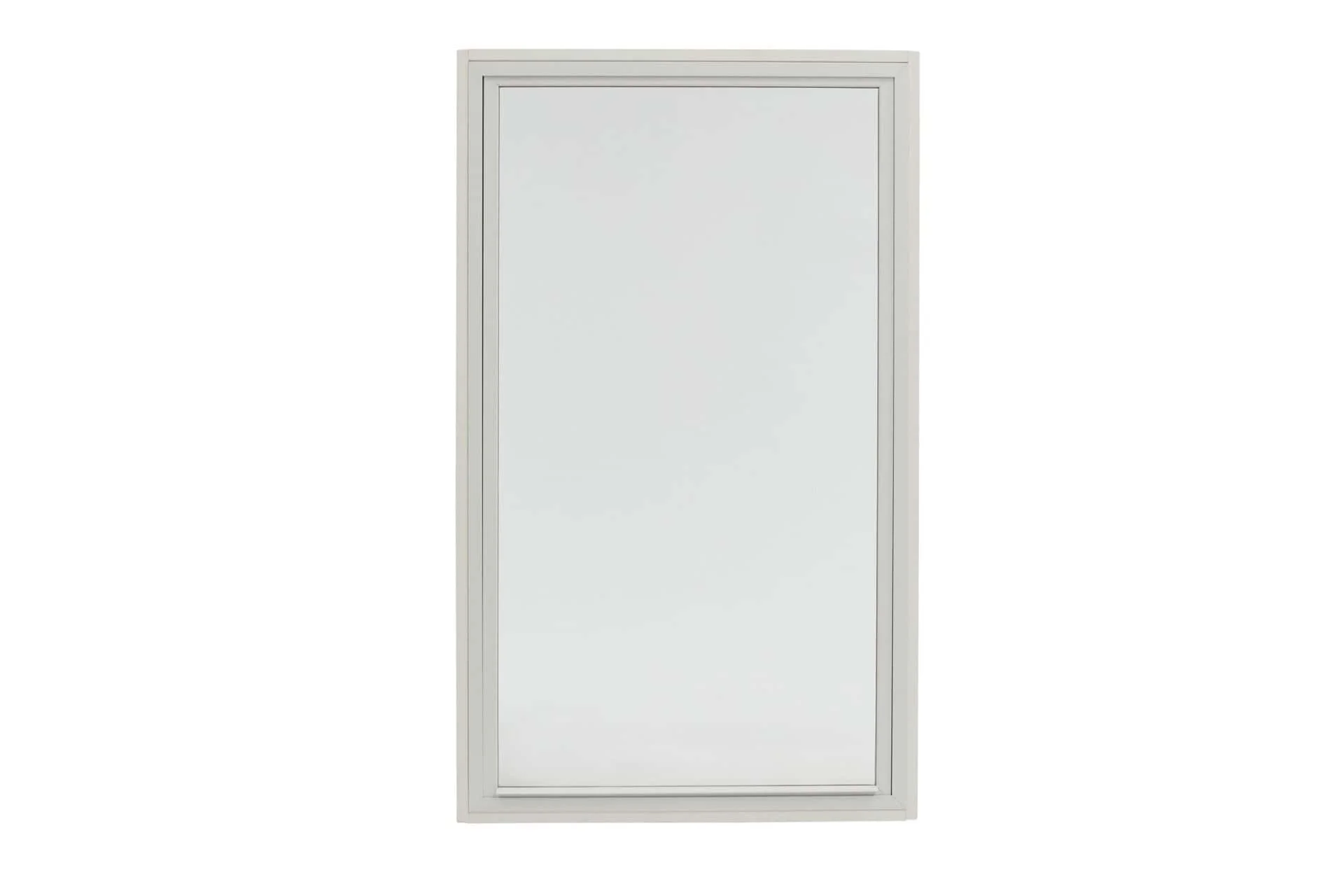
Lift Out
Removable panels for occasional access, simple installation and maintenance.
Best For: Areas requiring periodic full access to primary windows.
Learn MoreBecause secondary glazing is fully reversible and non-intrusive, it is well-suited for use in conservation areas and Grade I and Grade II listed buildings. All Granada systems are manufactured from durable aluminium and can be powder-coated in-house in over 200 RAL colours, allowing the glazing to blend seamlessly with its surroundings.
Secondary glazing is most often specified to address two key challenges: acoustic control and thermal efficiency. No other glazing solution can achieve comparable levels of noise reduction — up to 80%, equivalent to as much as 54dB. It also provides an added layer of security, acting as a secondary barrier should the primary window be compromised.
Designed to work with single-, double-, or triple-glazed timber or uPVC windows, Granada secondary glazing delivers long-term performance unmatched by alternative window systems.
Its acoustic performance is unmatched by any other glazing solution, delivering significant reductions in noise transmission through single-, double-, and even triple-glazed windows. In high-noise environments, secondary glazing can reduce sound levels by up to 54dB, transforming disruptive external noise into a far quieter internal environment.
Granada secondary glazing is manufactured from durable, slimline aluminium profiles and can be powder-coated in-house in over 200 RAL colours, allowing each system to match the primary window perfectly.
Designed to enhance both thermal and acoustic performance, Granada's secondary glazing combines discreet appearance with long-term durability, delivering reliable performance that stands the test of time.
All aluminium frames are produced in-house, using precision machinery to cut, powder coat, arch, and fabricate each unit under one roof. Advanced CNC technology ensures every frame is built accurately as a sealed unit, ready to deliver consistent performance.
Our expertise and commitment to quality set us apart. Unlike some competitors who reduce aluminium content to cut costs, compromising strength, stability, and acoustic or thermal efficiency, Granada maintains robust frame construction, ensuring safe, long-lasting, and high-performing glazing solutions.
Backed by a dedicated team of product developers, every system is designed, tested, and refined using innovative materials and techniques. This meticulous approach ensures that every product leaving our facility meets our high standards.
For optimum performance, secondary glazing is best face-fixed to the interior of the primary window, with an air cavity no greater than 80mm. It enhances thermal efficiency when installed alongside single, double, or triple-glazed timber or uPVC windows.
Granada units can be supplied with or without a hardwood subframe. We recommend a hardwood subframe as it acts as a thermal barrier, preventing the aluminium frame and glass from cooling due to the temperature of the surrounding building fabric.
Our team is on hand to advise on the most suitable glass type, product, and installation method to deliver the best results for your building and requirements.
Recommended by English Heritage, secondary glazing can be installed without altering the building's original fabric, preserving its character while improving comfort and efficiency.