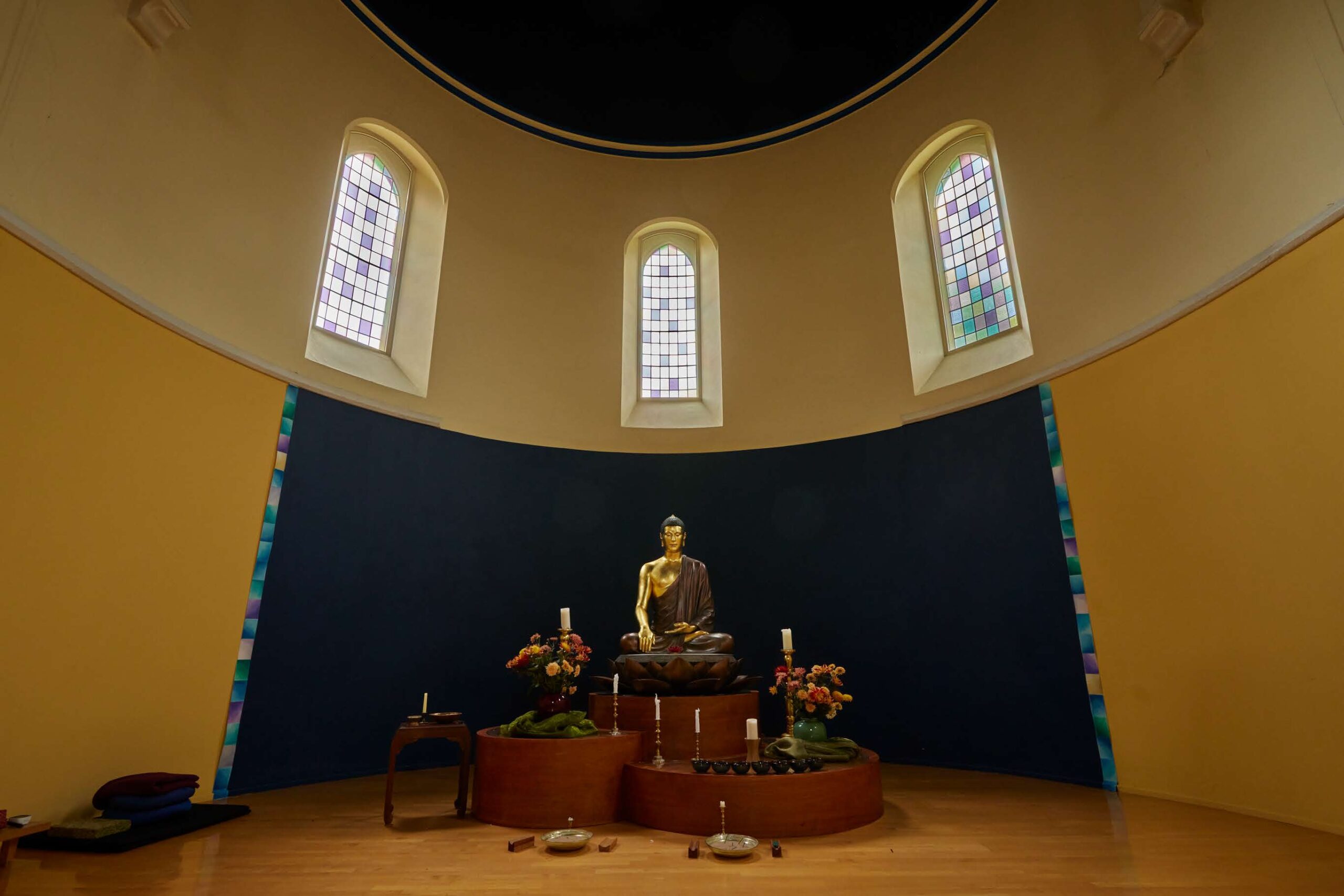

Sheffield Buddhist Centre
Overview
The Challenge
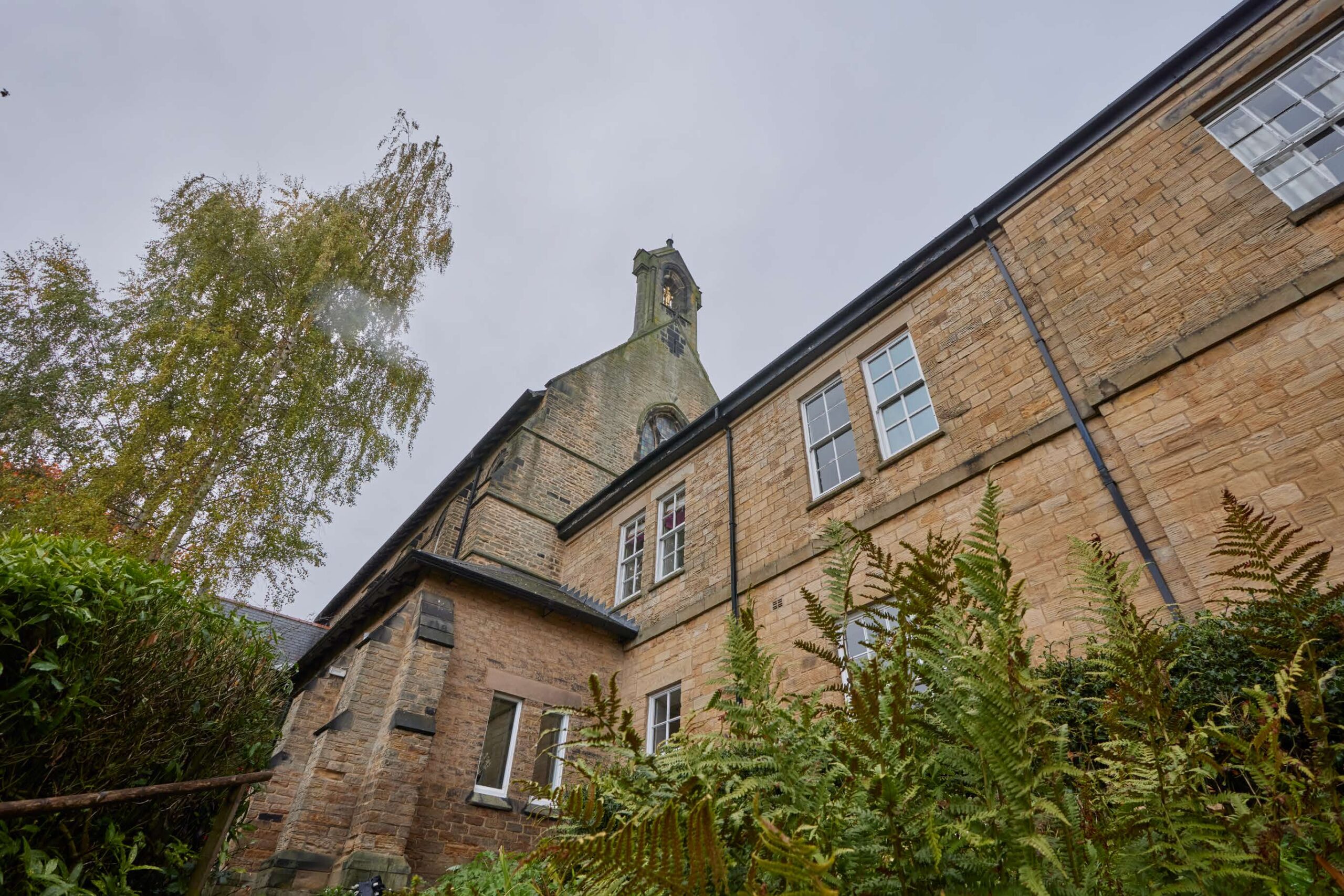
- Grade II listed building with primary windows that could not be changed.
- Needed to reduce carbon footprint, with support from the Low Carbon Community and Culture Fund.
- Needed to retain the timber and metal single-glazed primary windows to preserve the original architectural character.
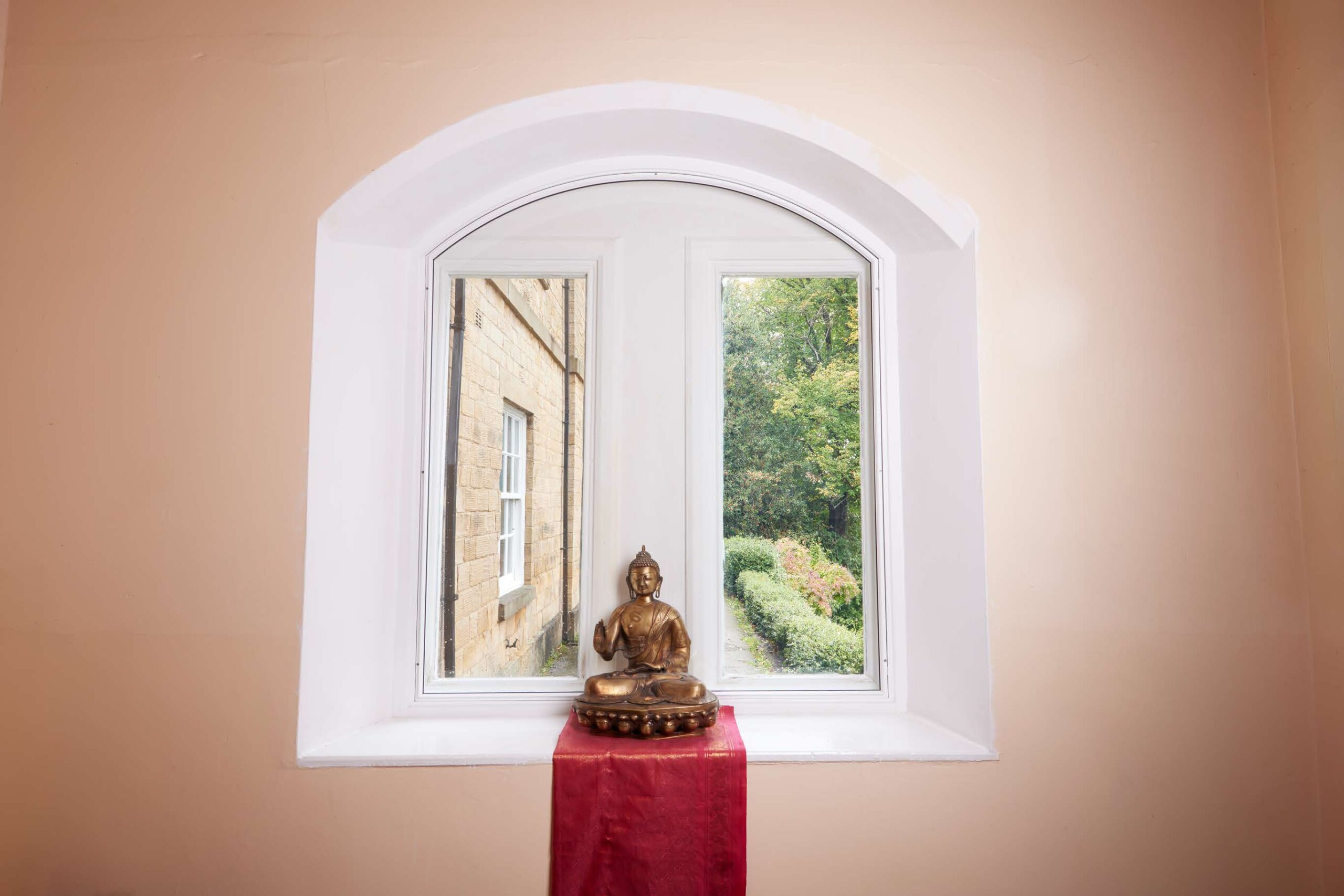
- Incorporated arched primary windows, so needed a bespoke solution.
The Solution
Secondary glazing manufactured and installed by Granada Secondary Glazing has improved the thermal comfort and carbon footprint of the Sheffield Buddhist Centre in Walkley, Sheffield.
Run by members of the Triratna Buddhist Order, who teach and practise a non-sectarian style of Buddhism suitable for those living in the contemporary Western World, the centre hosts regular classes for newcomers to Buddhism and meditation. Alongside this, they run a programme of other classes, events, festivals, retreats and study seminars. Over 100 people sign up for each introductory course, which runs three times per year and spans over 12 weeks. Upwards of 80 people attend the weekly community night, where they share a meal, hold talks, participate in discussion groups, and meditate.
The centre is committed to reducing its carbon footprint. Phase one of this project involved installing secondary glazing in the Great Hall and its adjacent corridor to increase energy efficiency. Properly installed secondary glazing can enhance thermal efficiency by up to 65% by creating an insulating air gap that reduces heat transfer and eliminates draughts. This improved insulation lowers energy consumption, reduces reliance on heating systems, and contributes to a measurable decrease in the building’s overall carbon footprint.
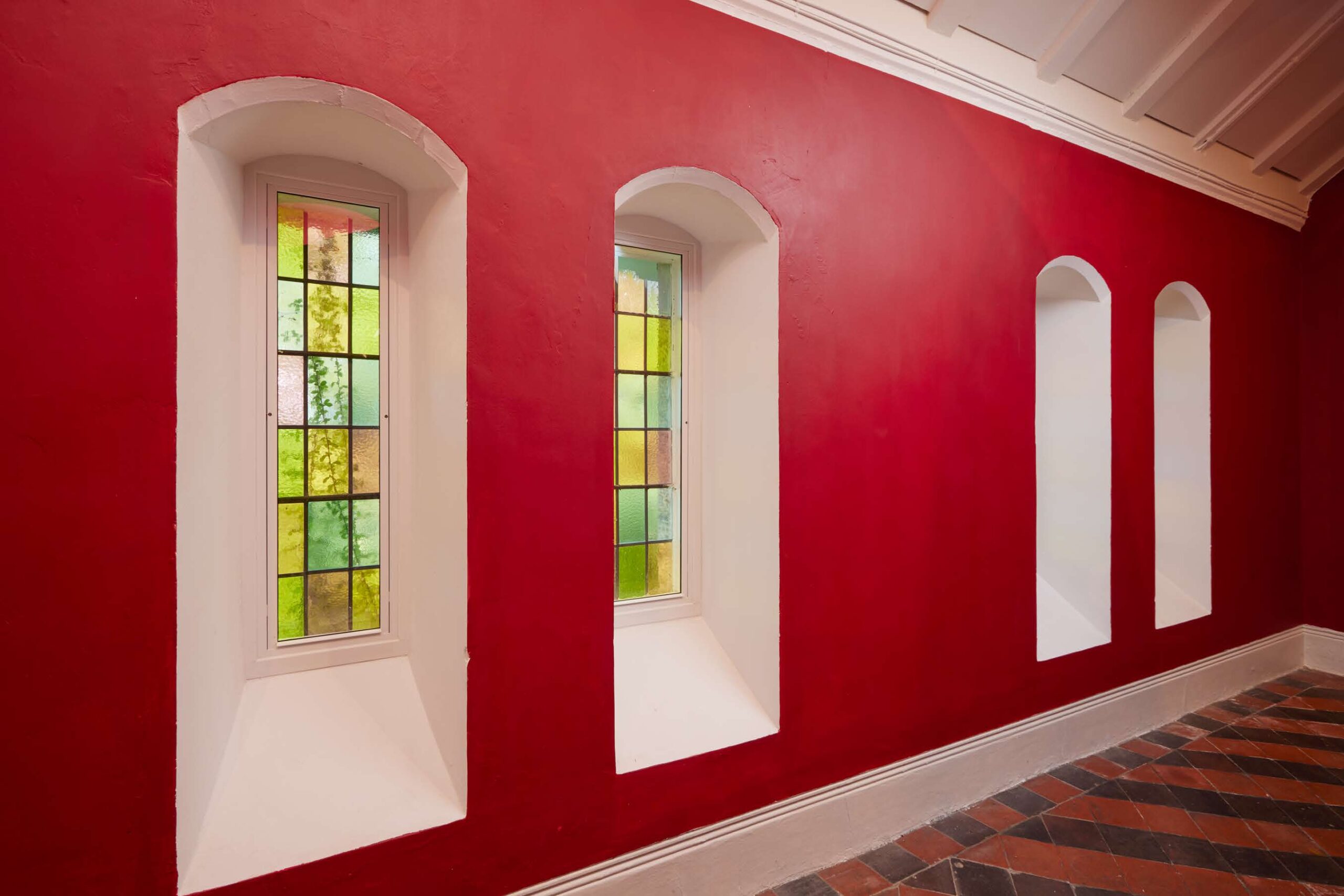
Granada Glazing provided a combination of Lift Outs (some arched), Slimline Hinged Units, and 2- and 3-pane Horizontal Sliders, all supplied in a powder-coated RAL 9003 satin finish to match the interior décor. Sanghajíva, a spokesman from the centre, commented that these areas are now much more comfortable, particularly the Great Hall, which he states is “difficult to heat due to its high ceilings.”
The secondary glazing system was designed and installed to sit discreetly within the existing window reveals, maintaining the original character and appearance of the historic frames. This reversible installation ensures the building’s heritage fabric remains intact, a key requirement under listed building conservation guidelines. Sanghajíva told us how the installed secondary glazing is “sympathetic to the character and doesn’t detract from the original feature” and explained that the Centre plans to add more secondary glazing in the future. Bodhinaga, who oversaw the project, commented: “We’re very pleased, particularly with the Great Hall.” He noted the lift-out units specified for the stained glass in the Great Hall are “in keeping with the original windows and very subtle.”
Testimonial
“These areas are now much more comfortable, particularly the Great Hall, which is difficult to heat due to its high ceilings.”